
The Benefits of Daylight in the Workplace
In today’s fast-paced work culture, many of us spend the majority of our day indoors. While technology and modern office designs have advanced dramatically, one of the most powerful productivity tools remains free and abundantly available: natural daylight.
So what are the benefits of Daylight in the Workplace
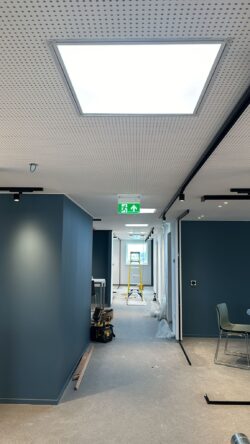
Studies consistently show that exposure to daylight in the workplace isn’t just about aesthetics — it has measurable effects on employee health, performance, and overall satisfaction. Here’s why businesses should prioritise natural light in their office design.
1. Boosts Employee Wellbeing
Daylight exposure helps regulate the body’s circadian rhythm, which governs sleep–wake cycles. Employees who work near windows typically report:
- Better sleep quality at night
- Higher energy levels during the day
- Reduced symptoms of stress and fatigue
In short, natural light promotes healthier, happier employees — and a healthier workforce is a more productive one.
2. Improves Focus and Productivity
Artificial lighting can strain the eyes, leading to discomfort and reduced concentration. Natural light, on the other hand, improves visual comfort and reduces eye strain. Employees working in daylight-filled environments often demonstrate:
- Higher levels of concentration
- Improved problem-solving skills
- A measurable increase in overall productivity
3. Enhances Mood and Reduces Absenteeism
Daylight is a natural mood booster. Exposure to daylight increases the brain’s release of serotonin, the hormone that stabilises mood and encourages feelings of well-being. Offices with more natural light often see:
- Lower rates of absenteeism
- Higher morale among employees
- Greater workplace satisfaction and engagement
4. Biophilic Design and Health Benefits
Daylight is also a cornerstone of biophilic design — the practice of incorporating natural elements into built environments to support human health and performance. When combined with greenery, natural materials, and open layouts, daylight fosters a sense of connection to nature that has been shown to:
- Reduce blood pressure and stress levels
- Improve cognitive function and memory
- Enhance creativity and problem-solving
- Support long-term mental health and resilience
Employees working in biophilic environments with ample daylight not only feel better physically but also experience lower burnout levels and report higher job satisfaction. This holistic approach to design acknowledges that humans thrive when surrounded by the rhythms and qualities of the natural world.
5. Supports Sustainability and Cost Savings
Leveraging daylight reduces the reliance on artificial lighting and, in turn, lowers energy costs. For organisations committed to sustainability, designing workspaces with larger windows, skylights, Solatube rooflight tunnels or open floor plans makes environmental and financial sense.
6. Strengthens Brand and Culture
A bright, daylight-rich workspace creates a positive first impression for clients and prospective employees. It communicates that the company values both employee wellbeing and forward-thinking design, strengthening employer branding and workplace culture.

Bringing More Daylight Into Workspaces
Even if an office doesn’t have floor-to-ceiling windows, there are simple strategies to maximise daylight:
Position desks closer to windows
Use glass partitions instead of opaque walls
Incorporate reflective surfaces and lighter colors
Add skylights or Solatube rooflight tunnels where possible
Final Thoughts
Daylight is more than just a design feature — it’s a vital component of a healthy, productive workplace. Companies that prioritisze natural light and integrate it into a biophilic design strategy not only enhance employee wellbeing but also enjoy measurable business benefits. In a world where talent retention and productivity matter more than ever, letting the light in may be one of the smartest investments an organization can make.