
The Benefits of Daylight in Education Environments
One of the most overlooked factors influencing learning is the environment itself—specifically, access to natural daylight in schools and classrooms.
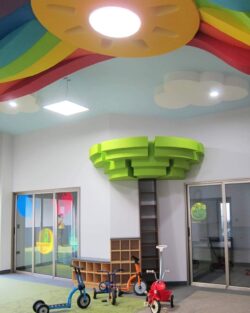
So what are the benefits of daylight in Education Environments
Humans are naturally attuned to daylight. Our circadian rhythms, mood, and energy levels are all influenced by exposure to natural light. For children and young adults—whose minds and bodies are developing—daylight is especially important. In education settings, it can have a direct impact on how students learn, feel, and perform.
Key Benefits of Daylight in Education
1. Improved Academic Performance
Studies have shown that students in classrooms with abundant natural light tend to perform better on standardised tests and achieve higher grades. The increased visibility, combined with a healthier environment, supports better concentration and information retention.
2. Enhanced Mood and Wellbeing
Daylight reduces stress and promotes positive emotions. A bright, naturally lit classroom can help students feel more motivated, calm, and engaged compared to dim or artificially lit spaces.
3. Better Attendance and Engagement
Natural light has been linked to reduced absenteeism. Students are more likely to attend school and participate actively when the learning environment is comfortable and uplifting.
4. Supports Healthy Sleep Patterns
Exposure to daylight helps regulate circadian rhythms, which in turn improves sleep quality. Well-rested students are more alert, focused, and ready to learn.
5. Energy Efficiency and Sustainability
Schools that maximise daylight reduce their reliance on artificial lighting, lowering energy consumption and costs. This makes daylight not only beneficial for students but also for the planet and school budgets.
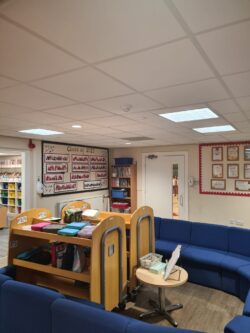
Daylight and Neurodiversity
For neurodiverse learners—including students with autism, ADHD, dyslexia, or sensory processing differences—the learning environment can either support or hinder their ability to thrive. Light, sound, and space all play a role in how these students engage with their surroundings.
Regulating Sensory Input: Natural daylight provides a softer, more balanced spectrum of light compared to harsh fluorescent bulbs, which can sometimes trigger sensory sensitivities or discomfort.
Calming Environments: In sensory or “quiet” rooms, daylight can create a soothing backdrop that reduces anxiety and overstimulation. Diffused or indirect natural light works particularly well in these spaces.
Supporting Focus: For students with attention-related challenges, the stability of natural light—without the flicker or hum of artificial lighting—can help maintain focus and reduce distractions.
Positive Associations: Exposure to natural light can promote feelings of safety and wellbeing, which is crucial for students who may find traditional classroom settings overwhelming.
By thoughtfully integrating daylight into both mainstream and specialist learning spaces, schools can make environments more inclusive and supportive of diverse learning needs.

Designing with Daylight in Mind
Incorporating daylight into schools isn’t just about adding windows. Effective design strategies include:
Large, well-positioned windows to capture sunlight without causing glare.
Skylights and Solatube rooflight tunnels to bring daylight deeper into classrooms.
Shading systems to prevent overheating and maintain comfort.
Flexible layouts that take advantage of natural light throughout the day.
Adaptable sensory rooms with blinds, diffusers, or adjustable filters so that daylight levels can be tailored to individual needs.
The Future of Education Spaces
As schools evolve to support 21st-century learning, the physical environment must not be overlooked. Daylight is a simple yet powerful tool that improves learning outcomes, supports wellbeing, and promotes inclusivity. By designing schools with natural light in mind, we create environments where every student—not just some—can shine